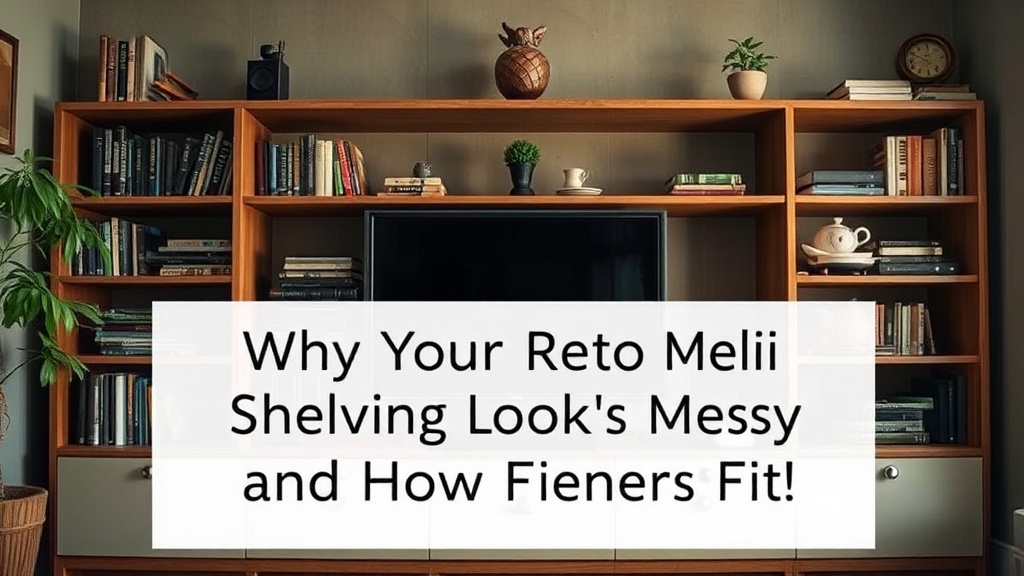
Why Your Retro Media Shelving Looks Messy and How to Fix It

The Problem with the "Pile and Pray" Method
You walk into your living room, intending to relax, but your eyes immediately snag on that corner of the bookshelf. It’s a jagged, uneven line of oversized VHS boxes, leaning cassette cases, and a few stray jewel cases—all fighting for space. One heavy box is tilting a stack of thinner media, and the whole arrangement looks more like a junk drawer than a curated collection. This happens when we collect without a plan. We find a great deal on a bulk lot of 90s action movies, shove them onto the shelf, and hope for the best. But a collection isn't just a pile of stuff; it's a visual part of your home. If the display looks cluttered, the items themselves start to feel like clutter rather than treasures.
Designing a display system requires more than just clearing off a shelf. You have to think about weight, height, and visibility. A standard VHS tape is much deeper than a standard cassette, and if you mix them haphazardly, you’ll end up with a staggered, messy edge that makes your media look disorganized. To keep things looking sharp, you need to treat your shelving as an architectural element of your room. It's about creating a cohesive look that highlights your best finds while keeping the common stuff tucked away.
How do I organize media by height and depth?
The most common mistake is trying to force different-sized media into the same row. When you mix VHS tapes with standard audio cassettes, the depth discrepancy is jarring. To solve this, I recommend using acrylic risers or even wooden blocks to create tiered levels. This allows you-the smaller items-to sit in front of the larger ones without being hidden. It turns a flat, boring shelf into a multi-dimensional display.
Try grouping your media by height first. This is a simple way to bring order to the chaos. If you have a row of tall, bulky VHS boxes, place them in the back. Use the front space for smaller items like jewel cases or cassette tapes. This creates a "stadium seating" effect for your collection. If you want to see if your collection is truly stable, check out the Smithsonian Institution resources on archival-grade storage methods—though for home shelves, you don't need to be quite that intense. You just need consistent lines.
- Step 1: Group by format (VHS, Cassette, CD, LaserDisc).
- Step 2: Sort within those groups by height (Tallest to shortest).
- Step 3: Use dividers to prevent "leaning towers of media."
A great resource for understanding how to handle various media types is the Library of Congress preservation guidelines. While they focus on high-level archiving, their logic on how to store different materials is incredibly helpful for home collectors who want to prevent physical damage from improper stacking.
Can I use light to highlight my collection?
Lighting is where a collection goes from "a bunch of plastic boxes" to a "curated gallery." If you have deep shelves, the back corners often fall into darkness, making the collection look dead. A small LED strip or a puck light can change the entire vibe. However, be careful with heat. Traditional incandescent bulbs emit heat that can soften plastic cases or even warp the tape inside. Stick to LEDs that stay cool to the touch.
If you want to highlight a specific, rare find—say, a rare promo VHS or a limited edition cassette—place it slightly forward and use a direct, narrow beam of light. This draws the eye to that specific piece. It’s a way to tell a story with your collection. Instead of just showing off how much you own, you are showing off what you value. Just ensure the light isn't hitting the magnetic tape directly through the casing, as extreme light exposure can contribute to long-term degradation.
What are the best ways to prevent shelf sag?
If you're using vintage wooden bookshelves or thin metal shelving, you might encounter the dreaded "bow." This is especially common when you store heavy media like LaserDiscs or large VHS collections. A bowed shelf doesn't just look bad; it puts uneven pressure on the bottom-most items in the stack. If your shelf is sagging, it's time to reconsider your layout.
One trick is to use vertical-oriented storage for your heavier items. Instead of stacking VHS tapes on top of each other, stand them up like books. This distributes the weight more evenly across the shelf. If you must stack, ensure the stack is centered over a support beam or a vertical divider. If you find your shelves are constantly bending, you might want to look at adding a middle support or switching to a sturdier shelving unit. A collection this heavy needs a foundation that can actually hold it.
| Media Type | Typical Height | Storage Recommendation |
|---|---|---|
| VHS Tapes | ~125mm | Vertical, side-by-side |
| Cassettes | ~100mm | Risers or tiered display |
| Jewel Cases | ~120mm | Protective sleeves or upright |
| LaserDiscs | ~310mm | Heavy-duty shelving only |
Organizing your collection is an ongoing process. It’s not a "one and done" task. As you find new things at thrift stores or estate sales, your display will change. Keep a small box of "overflow" items for when your shelves get too full. This prevents you from overstuffing a shelf and causing the very issues we've discussed—like sagging or broken plastic. A clean, organized shelf makes the act of browsing your own collection a joy rather than a chore.