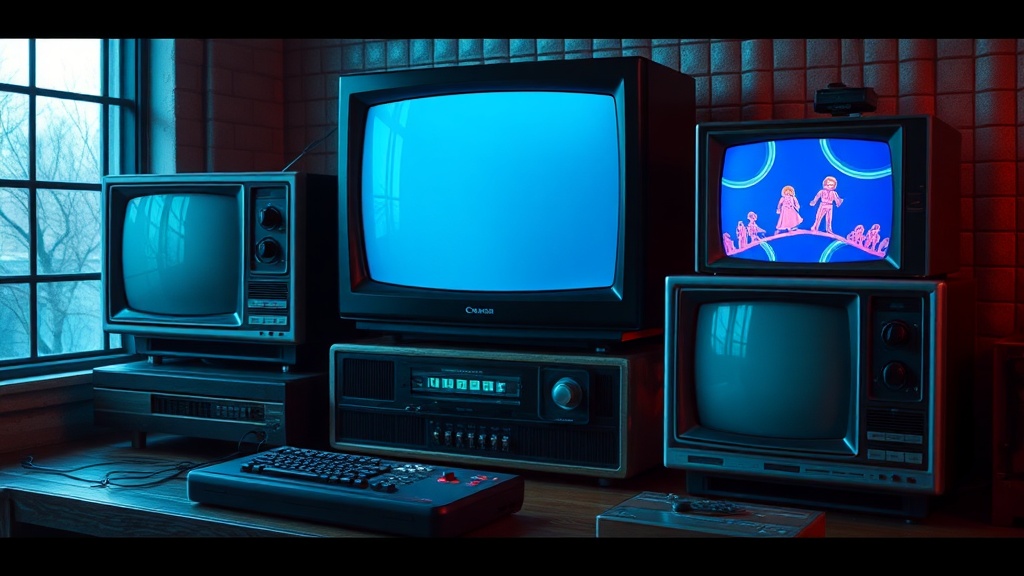
Vintage CRT TVs That Actually Look Good with Retro Consoles

The Sony Trinitron Standard
JVC Klipsch Models
Panasonic Tau Series
A collector spends three weeks hunting for a pristine, original Sony Trinitron, only to plug it in and realize the scanlines look washed out or the colors are completely bleeding. It’s a heartbreak that hits hard when you’ve finally found that perfect piece of hardware for your setup. This post looks at the specific CRT models that actually deliver the intended aesthetic for retro gaming, focusing on scanline quality, input lag, and color accuracy.
Which CRT TVs Are Best for Retro Gaming?
The best CRT TVs for retro gaming are high-end Sony Trinitron models and certain Panasonic Tau models because they offer superior brightness and much sharper scanline definition. While a cheap, generic CRT from a thrift store might get the job suddenly, it often lacks the technical precision required to make a Super Nintendo or a Sega Genesis look right. You want something that handles the signal with precision, not just something that turns on.
When we talk about "looking good," we aren't just talking about the box being pretty. We're talking about how the phosphors react to the signal. A standard television designed for broadcast might look blurry, but a dedicated monitor or a high-end consumer set will make those pixels pop.
The Sony Trinitron Standard
Sony’s Trinitron line is the gold standard for a reason. The aperture grille technology—which is different from the shadow mask found in cheaper sets—provides a much cleaner image. If you’ve ever played Castlevania on a standard 90s tube TV, you know the difference between a fuzzy mess and a sharp, crisp screen.
The reason these are so sought after is the brightness. Retro consoles often output a signal that can look dim on modern LCDs, but on a Trinitron, the colors feel deep and the contrast is high. It’s a specific look that a 4K OLED simply cannot replicate—no matter how many filters you use in an emulator.
The Panasonic Tau Advantage
Panasonic’s Tau series is the primary rival to the Sony line. Many enthusiasts actually prefer the color profile of a Panasonic Tau because it tends to be a bit more "warm" and less "clinical" than the Sony sets. If you want that cozy, nostalgic feel for a 16-bit setup, the Panasonic is a fantastic choice.
It’s also worth noting that these sets are often more affordable on the secondhand market. Since the hype around the "retro gaming CRT craze" has peaked, you can sometimes find these at local estate sales for a steal. Just be sure to check the weight; these things are heavy (and potentially dangerous if the glass is cracked).
How Do I Find a High-Quality CRT?
Finding a high-quality CRT involves checking for screen burn, checking the input ports, and testing the color balance with a known good signal. You shouldn't just take someone's word that "it works perfectly"—you need to see it in action.
When you go to a garage sale or an auction, bring a portable console or a dedicated test unit. If you’re buying a TV specifically for a console like the Super Nintendo Entertainment System, you need to ensure the RF or Composite inputs are actually functional. Many older sets have oxidized ports that make the image look snowy or jittery.
Here is a quick checklist for your next hunt:
- Check for "Burn-in": Turn the TV on to a bright white screen. If you see a ghost of a menu or a game HUD, that's permanent damage.
- Test the Volume: Old speakers can crackle or die entirely.
- Inspect the Glass: Look for cracks or deep scratches that might distort the image.
- Test All Inputs: If it’s a multi-input set, make sure the S-Video port actually works.
One thing to watch out for is the "degaussing" sound. When you turn a CRT on, it makes a deep, heavy thud—that's normal. But if it happens constantly or sounds like a physical strike, something is wrong with the internal components.
Does Input Lag Really Matter on a CRT?
Input lag is virtually non-existent on a high-quality CRT, which is why they are the preferred choice for competitive players. While modern TVs often introduce 30ms to 100ms of lag through digital processing, a pure analog signal hits the screen almost instantly.
For fighting games like Street Fighter II, that millisecond difference is everything. You can't "feel" the lag on a CRT the way you do on a modern gaming monitor. It’s an organic, instant connection between your controller and the screen. This is why the "retro" look isn't just about eyes—it's about the feel of the game.
If you are used to playing on a modern-day smart TV, the transition to a CRT might feel strange at first. You aren't used to the lack of post-processing. There is no motion smoothing, no artificial sharpening—just the raw signal. It can feel a bit "raw," but it's much more responsive.
| TV Type | Best For | Pros | Cons |
|---|---|---|---|
| Sony Trinitron | High-end Console Gaming | Sharpness, Brightness | Expensive, Heavy |
| Panasonic Tau | Atmospheric/Nostalgic Play | Warm Colors, Great Contrast | Harder to find high-end models |
| Generic CRT | Budget Setups | Cheap, Easy to find | Blurry, Bad Scanlines |
| PVM/Professional Monitor | Competitive/Precision | Zero Lag, Perfect Detail | Very Expensive, Small Screen |
Most people start with a consumer-grade set, but if you eventually move into professional monitors, the jump in clarity is staggering. However, for a home setup, a high-end consumer set like the ones mentioned above is usually more than enough to get that perfect look.
If you're looking to build out a more complete setup, you might want to look into how to maintain your hardware. I've written about finding reliable hardware for older formats, which shares many of the same principles regarding signal integrity and longevity.
One thing to remember: weight is your enemy. If you find a 32-inch Sony, do not try to carry it up a flight of stairs by yourself. These things are incredibly heavy and the glass is fragile. If you drop it, it's not just a broken TV; it's a heavy-duty liability. Always use a dolly or a cart if you can.
The beauty of these machines is that they are built to last. Unlike modern plastic-heavy electronics, these heavy-duty CRTs were engineered with a level of durability that is hard to find today. If you treat them well, they'll be around for another twenty years.
When you're looking at different models, don't get distracted by the size. A 13-inch high-end monitor can often look much sharper and better for gaming than a 32-inch cheap television. It's all about the quality of the electron beam and the precision of the mask.
If you're deep into the hobby, you'll eventually realize that the "perfect" TV is a moving target. Some people want the bright, punchy look of a Sony, while others want the softer, more natural look of a Philips or a Panasonic. It's a personal preference, but there's no denying that the right tube changes the way you play the game.