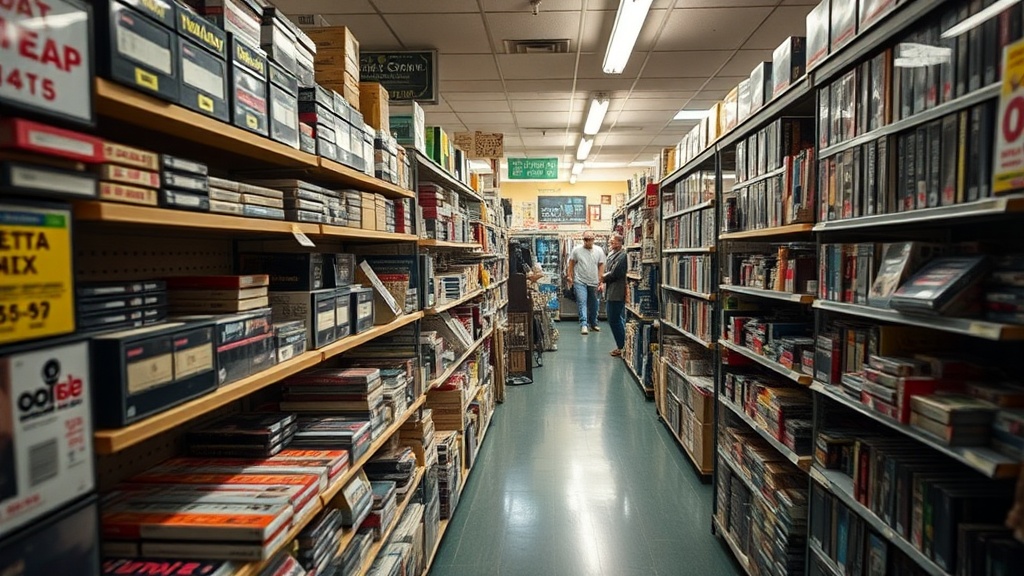
How to Spot Valuable Beta Tapes at Thrift Stores and Flea Markets

This guide covers exactly what to look for when hunting Beta tapes at thrift stores, flea markets, and garage sales — and why a few minutes of inspection can mean the difference between a $2 curiosity and a $200 collector's piece. Whether you're building a shelf of vintage horror releases or chasing down obscure concert recordings, knowing how to spot value in the wild will save money and build a collection worth showing off.
What Makes a Beta Tape Worth Money?
Rarity and condition drive almost everything in the Beta market. A sealed copy of a cult film on the original Sony Betamax format can fetch ten times more than the same movie on VHS — sometimes more. The catch? Most tapes at thrift stores are common catalog titles that won't move the needle much.
Here's the thing: the real money hides in first pressings, small distributors, and genres that never made the jump to DVD. Think exploitation films, regional wrestling tapes, early music videos, and anything released by labels like Media Home Entertainment, Thorn EMI, or Wizard Video. Tapes with big-box clamshell packaging, glow-in-the-dark boxes, or lenticular covers often command premiums — not because the movie is great, but because the packaging is.
Condition matters just as much as title. A mint-in-box copy of The Texas Chain Saw Massacre on Beta will outsell a beat-up ex-rental every time. Look for shrink wrap, intact hubs, and inserts that haven't yellowed. Even the smell matters — that sharp vinegar odor means the tape is suffering from sticky-shed syndrome and is basically unplayable. Water stains on the cardboard, mold inside the case, and cracked shells all knock value down fast. Collectors want artifacts that look like they sat on a shelf in 1983, not ones that survived a flood. If the clamshell still has the original price sticker from a long-dead video store like Erol's or Video Update, that's actually a plus — provenance adds character and authenticity.
Which Beta Tapes Are the Most Valuable?
Horror, sci-fi, and adult titles from the late 1970s and early 1980s top most want lists, especially when they come from defunct distributors or had tiny print runs. Collectors obsess over cult films that arrived on Beta before VHS ever had them — and according to the Museum of Broadcast Communications, some titles only ever existed in this format.
Wizard Video's big-box releases — like The Texas Chain Saw Massacre and Dawn of the Dead — are legendary. So are early Media Home Entertainment titles with the yellow spine stripe. Vestron Video, Lightning Video, and Paragon Video all released Betas that now trade for serious money. The rarer the label, the smaller the print run, and the uglier the cover art, the more collectors tend to want it.
Don't ignore blank tapes with handwritten labels. Home recordings of local news broadcasts, MTV's first days, pay-per-view boxing matches, and regional sports events can be the most valuable finds of all. A Burlington collector once found a hand-labeled Beta at a St. Catharines flea market that turned out to contain a 1982 interview with Iron Maiden — it sold for over $400. The catch? Nine out of ten hand-labeled tapes are just soap operas and Matlock reruns. You have to play the odds and buy cheap.
How Can You Tell If a Beta Tape Is Still Playable?
The quickest test is a visual inspection of the tape pack and the reel windows. If the tape is wound evenly with no slack or "spoking" (those spoke-like gaps in the reel), there's a decent chance it will track in a machine. That said, always check the pressure pad — that little felt rectangle near the tape opening. If it's missing, crumbling, or hardened, the tape will likely squeal or lose tracking.
Run your finger gently across the tape surface through the window. It should feel smooth. If it's sticky, tacky, or leaves residue on your skin, it's got sticky-shed syndrome — a form of hydrolysis common in tapes from humid climates. Worth noting: some collectors bake these tapes in a food dehydrator to temporarily restore them, but that's a gamble most beginners shouldn't take at a flea market. You're buying inventory, not restoring archives.
Look at the shell, too. Cracks around the hub posts or broken write-protect tabs aren't deal-breakers, but they do affect value. If the tape has been stored in a hot attic, the plastic may be brittle. The Library of Congress recommends storing tapes in cool, dry conditions — so if you find a box of Betas in a damp church basement or a sun-baked shed, expect more problems than treasures. Pop the cassette open if you can and look for white mold spots on the tape itself. Mold spreads. One infected tape can ruin a whole collection.
What Should You Pay for Beta Tapes at Thrift Stores?
Most thrift stores price Beta tapes between $0.99 and $4.99 because they assume the format is dead. That's your edge. Common titles — Disney clamshells, workout tapes, network TV recordings — are worth maybe a dollar for the nostalgia factor. But if you spot a Big Box horror release or a sealed Columbia Pictures pressing, $5 is a no-brainer.
Here's a rough breakdown of what to expect:
| Type of Tape | Typical Thrift Price | Estimated Resale Value |
|---|---|---|
| Common catalog title (ex-rental, no case) | $0.99–$2.99 | $3–$8 |
| Sealed Disney / family release | $1.99–$4.99 | $10–$35 |
| Big-box horror / cult film | $1.99–$5.99 | $25–$150 |
| Regional / small-label release | $0.99–$3.99 | $40–$300+ |
| Blank tape with handwritten label | $0.50–$1.99 | $5–$500+ (if content is rare) |
Flea market sellers often price by gut feeling. A tape with a gory cover might be marked at $25 because it looks scary, while a plain white box with a hand label sits at $0.50. The reverse is just as common. Never assume the seller knows what they have. Ask questions, but don't educate them mid-negotiation. If they say "make an offer," start low. Cash in hand works wonders at 3 p.m. when vendors are thinking about packing up.
The bottom row is where the real lottery tickets live. A hand-labeled tape that says "WrestleMania 1985" or "KISS Interview 1981" could be gold — or it could be six hours of soap operas. The only way to know is to buy cheap and test at home. Never pay more than thrift-store prices for an unknown recording unless the seller can pop it in a deck right there. And even then, be cautious — sellers at flea markets are storytellers by trade.
How Do You Spot a Reissue vs. an Original Pressing?
Original pressings almost always have heavier cardboard slipcases, thicker plastic clamshells, and earlier distributor logos. Reissues from the late 1980s — when Beta was dying and studios were dumping inventory — tend to use thin plastic sleeves, smaller artwork, and combined VHS/Beta marketing. If the box says "Also Available on VHS" in big letters, it's almost certainly a later pressing worth far less.
Check the spine catalog numbers, too. Early SRC (Stereo Tape Inc.) releases, CBS/Fox titles from 1983–1985, and Warner Home Video big-box editions have specific numbering systems that reissues changed. A quick phone search at the flea market can confirm whether the catalog number matches the first run. Some collectors carry pocket-sized reference guides — though honestly, a smartphone and a little patience work just fine.
Labels matter. Magnetic Video Corporation (the very first home video licensee for 20th Century Fox) released some of the earliest Betas in the United States. Their releases — with the distinctive silver-and-red logo — are genuine artifacts of home-video history. Finding one in the wild feels like uncovering a time capsule. most important Home Video's early gatefold releases and MCA Videocassette titles from the late '70s are similarly prized. If the copyright date on the box is 1977 or 1978, pay close attention. Those are the format's infancy years, and surviving tapes from that era are genuinely scarce.
What Gear Do You Need for Beta Tape Hunting?
A flashlight, a soft cloth, and a working Betamax deck at home are the only real requirements for serious tape hunting. You don't need much. A small flashlight helps inspect tape packs through the window — especially in dim thrift-store back rooms. A pocket knife or flat tool is handy for prying open sticky clamshells without ripping the artwork. Bring a soft cloth to wipe mold off the shell — but never touch the actual tape surface with bare fingers if you can help it. Oils from skin attract dust and can cause dropouts.
A working Beta deck at home is non-negotiable if you're serious. The Sony SL-HF900 is widely considered the best consumer Betamax machine ever made — rock-solid tracking, excellent picture quality, and it handles both Beta I and Beta II speeds. If that's out of budget, a Sony SL-2000 or SL-HF400 still gets the job done for most collectors. Beta Hi-Fi decks (like the SL-HF750) add stereo audio capability, which matters if you're collecting concert tapes or music videos.
Wear comfortable shoes. Thrift stores and flea markets reward the walkers. The people who show up at 7 a.m. with cash and a crate get the good stuff. That said, don't let FOMO drive bad decisions — a $20 "rare" tape that's actually a reissue is still a $20 mistake. Know when to walk away. If a seller won't budge on price and the tape isn't a guaranteed grail, leave it. There will always be another stack of tapes next weekend.
"The best finds aren't the ones you chase online. They're the ones buried under a stack of VHS copies of The Lion King at a church rummage sale."
Keep a running want list on your phone. Note specific titles, distributors, and catalog numbers. The hunt becomes easier when you know what you're looking for — and what to ignore. Common sense goes a long way: if the artwork looks like it was drawn in MS Paint, it's probably a bootleg. If the tape smells like a swimming pool, it's been water-damaged. If the seller says "It worked last time I checked," assume it didn't.
Building a Beta collection from thrift stores and flea markets takes patience. Some weekends you'll strike out. Others, you'll walk away with a sealed Friday the 13th big box for three bucks. The thrill isn't just in the value — it's in the rescue, the discovery, and the knowledge that you're keeping a piece of analog history alive. Every tape saved from a landfill is another story preserved, another artifact that future collectors will thank you for. So grab a flashlight, hit the flea market early, and trust your instincts. The next great find might be sitting in a cardboard box marked "Tapes — $1 Each."