How to Spot Counterfeit and Bootleg Vintage Video Tapes

Why Do So Many Collectors Mistake Reproductions for Originals?
Most collectors assume that if a tape looks old and plays content from the 1980s, it must be authentic. That assumption costs people hundreds of dollars every month. The counterfeit vintage media market has exploded—and factory-fresh "vintage" Beta tapes are flooding online marketplaces, swap meets, and even estate sales. Learning to distinguish genuine original releases from modern reproductions, unauthorized duplicates, and outright fakes isn't just about protecting your wallet. It's about preserving the historical integrity of your collection and understanding what you're actually holding in your hands.
This guide walks through the specific physical characteristics, labeling conventions, and packaging details that separate authentic vintage releases from counterfeits. You'll learn the telltale signs of bootleg duplication operations, the subtle differences between original factory pressings and homemade dubs, and the red flags that should send you walking away from a "too good to be true" deal. Whether you're hunting for rare BetaMax releases, hunting down out-of-print VHS horror titles, or building a curated collection of vintage concerts and wrestling events, these skills will save you from disappointment—and from funding the operators who are flooding the market with junk.
What Physical Clues Reveal a Tape's True Origin?
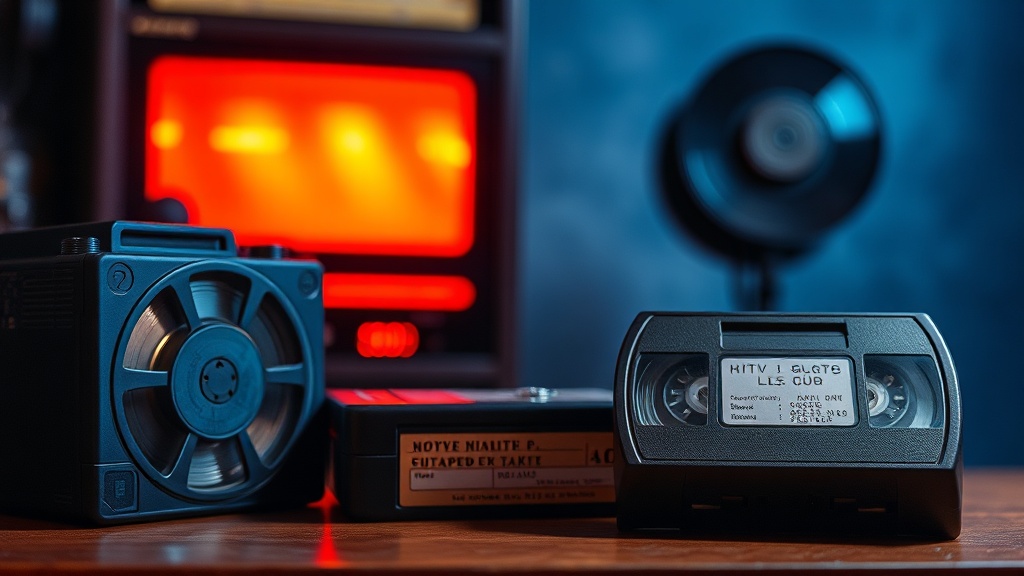
Start with the shell itself. Authentic vintage Beta and VHS tapes manufactured by major studios (Sony, Columbia, Warner, MCA) between 1975 and 1995 have distinct physical characteristics that are nearly impossible to replicate convincingly at scale. Original factory shells have specific mold marks, often featuring manufacturer codes (like "SONY" or "T-120") molded directly into the plastic on the underside or spine. These marks should be crisp, evenly spaced, and consistent with known manufacturing periods.
Counterfeit shells often feel wrong—they're too light, the plastic has a modern "slick" feel rather than the slightly textured finish of period-appropriate ABS plastic, or the clear tape window shows modern injection-molding artifacts. Hold the tape up to bright light and examine the reels. Genuine vintage tapes use specific reel designs: Sony Beta tapes feature distinctive six-spoke reels on their L-750 and L-830 formulations, while counterfeit versions often use generic five-spoke reels that fit multiple formats. The tape stock itself tells stories too—authentic professional duplication tape from the era has a particular sheen and smell (yes, really) that modern ferric oxide formulations can't replicate.
The tape leaders—the clear or colored plastic section at the beginning and end—provide critical evidence. Major studio releases used specific leader colors and attachment methods. Sony typically used clear leaders with precision heat-bonded attachment points, while some labels like MCA/Universal Home Video used distinctive yellow or blue leaders on their mid-80s releases. Bootlegs almost always use generic clear leaders attached with sloppy adhesive work or inconsistent bonding. If you can see glue residue, uneven attachment, or leaders that look like they came from an office supply store, you're looking at a duplicate—not an original pressing.
How Can You Identify Fake Packaging and Labels?
The packaging game is where counterfeiters have gotten sneakier. High-quality scans of original cover art, coupled with modern printing technology, can produce sleeves that look convincing at first glance. But authentic vintage packaging has age signatures that are difficult to fake convincingly. Original cardboard sleeves from the 1980s have specific paper stock—they're not glossy photo paper, but clay-coated cardboard with distinct texture and weight. The printing itself used specific processes: offset lithography was standard, resulting in particular dot patterns visible under magnification, while modern inkjet or laser prints show telltale dithering patterns or toner fusion artifacts.
Examine the spine. Original factory sleeves have precise, consistent spine text alignment. The typography matches known studio standards—Warner Home Video used specific Helvetica variants, while Columbia stuck to custom logotypes that changed subtly across eras. Counterfeit sleeves often have font substitutions, spacing inconsistencies, or colors that are slightly off when compared side-by-side with verified originals. The Tape Deck Preservation Society maintains extensive reference galleries of authentic sleeve variations that collectors can consult.
Security features matter too. Some major studios—particularly Disney and certain Warner releases—incorporated holographic stickers, embossed seals, or specific barcode formats that counterfeits rarely duplicate correctly. Late-era VHS releases (1992-2005) often include anti-piracy warnings with specific FBI seal variations that changed over time. A tape claiming to be a 1987 release shouldn't have a 1994-era anti-piracy warning. Check the small print on the back: address listings, phone numbers with outdated area codes, and even the copyright symbol typography can reveal anachronisms. Original Beta releases particularly should show proper "Beta" or "Betamax" trademark usage—not the generic "beta" that appears on many modern reproductions.
What Content Clues Expose Unauthorized Duplications?
Sometimes you need to actually play the tape—and what you see can be damning. Original commercial releases exhibit specific technical characteristics that reflect the duplication standards of their era. Professional duplication facilities used signal processing, time-base correction, and specific noise reduction (Dolby B or C on later VHS releases) that created consistent, stable images. Bootleg copies, whether duplicated from consumer decks or digitally transferred to analog, show telltale artifacts: tracking instability at the start of tapes, inconsistent audio levels, visible generation loss in the image quality, or modern digital compression artifacts that analog tape simply doesn't produce natively.
The content itself provides clues. Original releases have specific studio logos, FBI warnings, and trailer sequences that follow era-appropriate patterns. A "vintage" horror tape that starts immediately with the feature—no previews, no FBI warning, no studio ident—is suspicious. Even budget releases from the 1980s typically included some form of standard opening. Check the tape length against the stated content: if the label claims "125 minutes" but the tape stock is clearly a T-120 (two hours in standard play), something doesn't add up. Beta formats are particularly telling here—Beta I, II, and III speeds had specific recording time limitations, and a tape claiming to be an L-500 simply cannot hold the content of an L-750, regardless of what the label says.
Audio can betray a fake too. Original releases have specific audio characteristics—hiss levels, frequency response, and dynamic range that reflect the mastering and duplication chain of the era. Modern transfers to vintage-format tape often use digital sources with noise reduction applied, resulting in "too clean" audio that lacks the appropriate analog character. Conversely, multi-generation copies made from consumer decks accumulate noise, distortion, and azimuth errors that professional duplication would never exhibit. Learning these sonic signatures takes time, but comparing suspected fakes against known authentic releases from the same era and studio provides excellent training for your ears.
Where Are Collectors Most Likely to Encounter Fakes?
Certain market segments attract counterfeiters like magnets. High-dollar "holy grail" titles—particularly horror films that never made official DVD or streaming releases, obscure wrestling compilations, and out-of-print concert recordings—generate the most fakes. When a tape regularly sells for $200-500, the incentive to produce convincing reproductions becomes irresistible to bad actors. Limited theatrical releases that became collector's items, promotional tapes sent to video stores, and "banned" or controversial titles that command premium prices are all heavily counterfeited categories.
Online marketplaces present the highest risk. eBay sellers with no feedback history, stock photos instead of actual item images, and vague descriptions ("rare vintage tape, plays great!") should trigger immediate caution. Facebook Marketplace and Craigslist offer some protection through in-person inspection, but sellers who refuse to let you examine the tape before purchase—or who claim "I don't have a player to test it" for high-value items—are waving red flags. Flea markets and swap meets can be safer because you can physically handle merchandise, but the "too good to be true" find at a random table often is exactly that.
The provenance matters enormously. Sellers who can explain where a tape came from—estate sales, video store liquidations, personal collections built over decades—are generally more trustworthy than those with mysterious "warehouse finds" of rare titles. Documentation helps: original receipts, rental store stickers with dates, or even handwritten notes from previous owners add authenticity. The VHS Collector database maintains community-verified listings of known counterfeits in circulation, and cross-referencing suspicious finds against their registry can save you from expensive mistakes.
How Should You Document and Report Suspected Fakes?
When you encounter a counterfeit, documentation protects the community. Photograph everything—the shell, the reels, the labels, the packaging, any suspicious details. Note the seller's information, the price point, and the claimed provenance. If you've already purchased the item, most platforms have reporting mechanisms for counterfeit goods, though success rates vary. More importantly, share information with collector communities. Private Facebook groups, Reddit communities like r/VHS and r/Betamax, and specialized forums all benefit from reports of new counterfeit operations entering the market.
Building reference collections of both authentic and fake items helps train your eye and assists other collectors. Many serious collectors maintain "known bad" examples specifically for comparison purposes. When authenticating potentially valuable acquisitions, consider establishing relationships with experienced collectors who can provide second opinions. The vintage media community is generally supportive—experienced collectors remember their own early mistakes and are often willing to help newcomers avoid repeating them. Trust, but verify. That mantra, borrowed from the Cold War era that produced so much of the media we collect, applies perfectly to protecting your collection from the counterfeiters working overtime to separate you from your money.