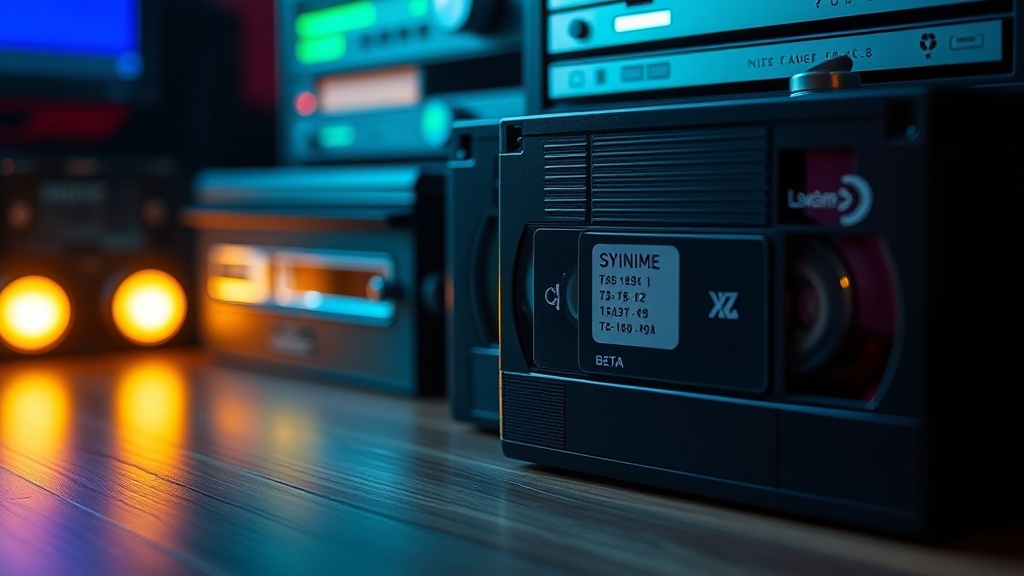
How to Properly Store and Preserve Your Beta Tape Collection

What This Guide Covers (And Why Your Collection Depends on It)
This guide walks through the complete process of storing and preserving Beta tapes—from environmental controls and proper shelving to cleaning techniques and digitization strategies. Beta tapes aren't just old media. They're time capsules holding irreplaceable content: rare concert recordings, obscure films, home movies, and broadcast archives that may not exist anywhere else. The magnetic tape inside these cassettes degrades over time. Heat, humidity, dust, and poor handling accelerate that decay. A well-maintained Beta collection can last decades longer than a neglected one. The steps here aren't complicated. They require attention to detail and some upfront investment in the right storage solutions. Here's the thing—once the magnetic signal fades or the tape snaps, that content is gone forever. Prevention beats restoration every single time.
What's the Ideal Environment for Storing Beta Tapes?
The ideal storage environment for Beta tapes is cool, dry, and stable—specifically between 65°F and 70°F (18°C to 21°C) with relative humidity between 40% and 50%. Temperature fluctuations cause the cassette shell and tape to expand and contract, stressing the magnetic coating. High humidity encourages mold growth on the tape surface. Excessive dryness makes tapes brittle and prone to snapping.
Basements and attics? Bad choices. Basements flood. They get damp. Attics roast in summer and freeze in winter. The temperature swings in both spaces destroy tapes faster than you'd think. An interior closet on the main floor of a home typically offers the most stable conditions. Closets against interior walls (rather than exterior walls) experience less temperature variation.
Light exposure matters too. UV light degrades plastic cassette housings and can affect the tape itself over long periods. Store Beta tapes in opaque containers or inside closed cabinets. If the collection is displayed, keep tapes away from direct sunlight and harsh artificial lighting.
Air quality counts. Beta tapes attract dust like magnets (pun intended). Dust particles embed in the tape surface and scratch it during playback. Store tapes in dust-free environments. Avoid storage near kitchens (grease particles), workshops (sawdust and metal particles), or garages (exhaust fumes and temperature extremes).
For serious collectors, consider investing in a Boveda humidity control pack system or a Eva-Dry mini dehumidifier for the storage space. These affordable solutions help maintain stable humidity without complex climate control systems.
How Should Beta Tapes Be Stored—Vertically or Horizontally?
Beta tapes should always be stored vertically, standing on their spine edges just like books on a shelf. Never lay Beta tapes flat in stacks. Horizontal stacking puts pressure on the cassettes at the bottom of the pile. That pressure warps the shell, damages the reel hubs, and can cause the tape inside to crease or buckle.
Vertical storage distributes weight evenly. The catch? Don't pack them too tightly. Tapes need breathing room. Jamming them shoulder-to-shoulder makes retrieval difficult and can crack cassette cases. Leave a finger's width between tapes or groups of tapes.
Shelving matters. Wire shelving leaves impressions on cassette cases over time. Particle board shelves release chemicals that can accelerate tape degradation. Solid wood or metal shelving works best. The shelves should be sturdy—Beta tapes are heavier than VHS cassettes (they're more compact and dense). A full collection weighs more than most people estimate.
Storage containers offer additional protection. Plastic storage bins work, but avoid airtight containers unless you're including desiccant packets. Sealed containers trap moisture. That moisture creates mold. Worth noting: original Beta cassette cases provide decent protection, but aftermarket cases from Univenture offer superior archival-grade storage with better impact resistance.
Never store Beta tapes near strong magnetic fields. Speakers, motors, transformers, and even some electronic devices generate magnetic fields that can partially erase or distort magnetic tape. Keep tapes at least 12 inches away from large speakers and avoid storing them directly on top of electronic equipment.
Do Beta Tapes Need Special Cleaning and Maintenance?
Yes, Beta tapes benefit from regular inspection and occasional cleaning—even when stored properly. Dust infiltrates cassette shells. Oxide shed builds up on tape surfaces. The transport mechanisms (tape reels and guides) inside cassettes can seize up from disuse or degrade from age.
Inspect tapes annually. Look for visible mold (white or gray fuzz on the tape surface), tape warping, cracked shells, or loose reels. If a tape reel feels loose and rattles excessively, the internal clutch mechanism may be damaged. That tape needs attention before playback.
Cleaning the cassette exterior is straightforward. Use a slightly damp microfiber cloth to wipe down shells and cases. For stubborn adhesive residue from old labels, use a small amount of Goof Off or Goo Gone on a cotton swab—applied carefully to avoid getting cleaning solvent near the tape itself.
Internal tape cleaning requires specialized equipment. Wet cleaning systems like the RTI TWC-600 or Audio-Technica AT6012 tape head cleaner can help remove oxide shed and contaminants from the tape surface. These systems are investments—hundreds of dollars—but worthwhile for collections numbering in the hundreds of tapes.
For smaller collections, manual cleaning with isopropyl alcohol (90% or higher) and lint-free cloths works. This requires partially disassembling the cassette shell (not recommended for rare or valuable tapes unless you're experienced). Some collectors swear by baking tapes in a food dehydrator to temporarily restore binder adhesion—that's a last-resort technique for unplayable tapes, not routine maintenance.
The rubber parts inside Beta cassettes degrade. Pressure pads and rollers harden, crack, or turn gooey over 20-30 years. These can be replaced if the content is valuable enough to justify the effort. Replacement parts and service providers exist in the vintage electronics community, though they're becoming harder to find.
Comparison: Storage Methods and Their Trade-offs
| Storage Method | Cost | Protection Level | Best For |
|---|---|---|---|
| Original cases on open shelving | Free (already own) | Basic dust/scratch protection | Small collections, frequently accessed tapes |
| Plastic storage bins with lids | $10-25 per bin | Good dust/impact protection | Medium collections, seasonal access |
| Archival clamshell cases | $3-5 per case | Excellent physical protection | Valuable/rare tapes, long-term storage |
| Climate-controlled cabinet | $200-800 | Superior environmental stability | Large valuable collections, preservation priority |
| Off-site archival facility | $50-200/month | Professional-grade preservation | Iriducibly rare content, institutional collections |
How Do You Handle and Play Beta Tapes Without Damaging Them?
Handling technique prevents accidental damage. Always hold Beta cassettes by the edges—never squeeze the center window where the tape is exposed. Finger oils transfer to tape surfaces and attract dust. The oils also break down over time and can chemically interact with the magnetic coating.
Before inserting a tape into a player, visually inspect the tape path. Look for slack tape inside the cassette. Slack tape (loose loops visible through the window) will catch and crease during loading. Gently rotate the reel hubs with a pencil to tighten any slack—rotate in the direction that winds the tape onto the take-up reel.
Warm up tapes before playback. If a tape has been stored in a cool environment, let it acclimate to room temperature for 2-3 hours before use. Cold tape is stiff and more likely to snap. The lubricants in the cassette mechanism also flow better at room temperature.
Clean the playback equipment regularly. Dirty heads, capstans, and pinch rollers deposit contaminants onto tapes and cause playback issues. Use head cleaning tapes or manual cleaning with isopropyl alcohol and chamois swabs. Clean the equipment every 20-30 hours of playback, or immediately if you notice picture degradation, tracking issues, or audio dropouts.
Don't leave tapes paused for extended periods. The spinning video heads in Beta decks create wear points on paused tape sections. Thirty minutes paused on one frame can permanently damage that section of tape. Stop playback instead of pausing for long breaks.
Fast-forward and rewind completely before storage. Leaving tapes mid-playback (partway wound on the reel) creates tension on the tape pack and can lead to distortion. A fully rewound or fully played tape sits more evenly on the reel hub.
Should You Digitize Your Beta Collection?
Yes—digitization is the ultimate preservation strategy for Beta tape content. Digital files don't degrade with playback. They can be backed up to multiple locations. They can be shared, edited, and viewed on modern equipment without the need for increasingly rare and fragile hardware.
That said, digitization is time-consuming. A two-hour Beta tape requires two hours to capture in real-time. Multiply that by a collection of 100 tapes and you're looking at weeks of work. Professional digitization services exist—these cost $25-75 per tape depending on quality and turnaround time. Companies like Legacybox and local AV transfer shops offer these services.
DIY digitization requires hardware. A working Beta deck (Sony SL-HF900, SL-2000, or similar). An analog-to-digital converter (the Elgato Video Capture or Blackmagic Intensity Pro). Storage space—uncompressed Beta captures run 30-50GB per hour. A computer with sufficient processing power to handle video encoding.
Capture at the highest quality possible. Beta is already standard definition (roughly 240-340 lines of horizontal resolution depending on the format—Beta I, II, or III). Don't compound that with lossy compression. Capture to uncompressed AVI or lossless codecs like HuffYUV or Lagarith. Store masters and create compressed copies (H.264/MP4) for viewing.
Back up digital files to multiple locations. External hard drives. Cloud storage (Backblaze, Amazon S3). Physical media (M-DISC archival DVDs for smaller files). The 3-2-1 backup rule applies: three copies, two different media types, one off-site location.
Worth noting: digitization doesn't mean discarding the original tapes. Keep the physical Beta tapes even after digitization. They're the original sources. Future technology may extract better quality from them than current methods allow. And digital files can corrupt—having the analog originals provides insurance.
What About Moldy or Damaged Tapes?
Mold on Beta tape is a serious problem that spreads. A single moldy tape can contaminate an entire collection if stored together. Isolate any moldy tapes immediately. Store them separately in sealed plastic bags until they can be addressed.
Professional restoration is the safest route for moldy tapes. DIY cleaning risks spreading mold spores, damaging the tape further, or exposing yourself to harmful fungi. Restoration labs use specialized equipment to clean tape in controlled environments. This costs $50-150 per tape but may be the only option for irreplaceable content.
Water-damaged tapes require immediate attention. Don't try to play wet tapes—it causes the magnetic coating to stick to the guide posts and peel off. Air-dry tapes slowly (never use heat). Stand them vertically with the tape window facing down to allow water to drain. Once completely dry (this takes days, not hours), assess whether the tape is playable. Warped cassettes may need to be transferred to donor shells.
Snapped tape can be spliced. Beta tape uses the same width as VHS (half-inch), so splicing tape designed for VHS works. The repair won't be invisible—you'll see a glitch at the splice point during playback. But the content on either side of the break is preserved. For valuable content, professional splicing services produce cleaner results than DIY repairs.
"The best preservation is consistent, boring, and unglamorous. Stable temperature. Moderate humidity. Vertical storage. Annual inspection. These simple habits add decades to a tape's lifespan."
— Northeast Document Conservation Center guidelines on magnetic media
Your Beta collection represents something increasingly rare in the streaming age: physical ownership of media. These tapes hold content that may never appear on Disney+ or Netflix—local news broadcasts, obscure documentaries, live music recordings, family history. The effort to store them properly isn't nostalgia. It's stewardship.
Steps
- 1
Store tapes upright in cool, dry environments away from direct sunlight
- 2
Rewind tapes fully and fast-forward annually to prevent layer sticking
- 3
Transfer rare content to digital formats before degradation occurs