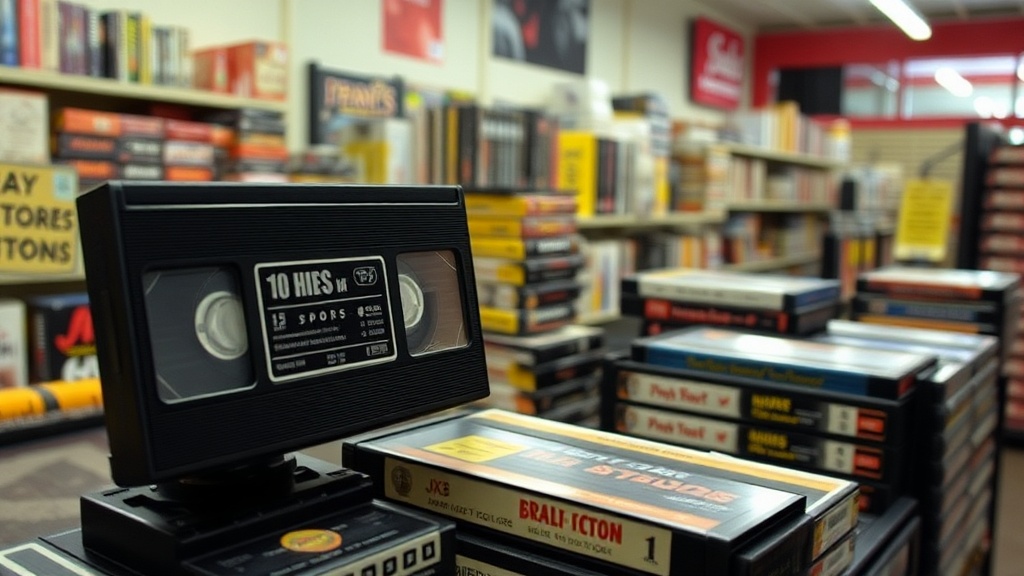
Finding High-Quality VHS Tapes at Thrift Stores and Garage Sales

Have you ever walked into a thrift store, eyes scanning the dusty shelves, only to wonder if you're actually looking at a hidden gem or just junk?
Hunting for quality VHS tapes among the clutter of a local charity shop or a neighbor's garage sale is a specific kind of thrill. It's not just about finding a cheap movie; it's about finding that specific, high-quality pressing or a rare distributor release that holds its value. Whether you're looking for a pristine Disney classic or a niche cult horror film, the quality of the physical tape matters just as much as the content. This post covers how to spot a good tape, what to avoid, and how to identify high-quality releases while you're out in the field.
The biggest mistake most collectors make is assuming that a shiny box means a perfect tape. In reality, the exterior packaging can be deceptive. You might find a box that looks brand new, but the tape inside could be a mess of mold or magnetic degradation. When you're out hunting, you need to look past the cardboard and focus on the physical indicators of a well-preserved piece of media. It's a balancing act between finding a bargain and avoiding a total loss.
How do I know if a VHS tape is worth buying?
The first thing you should do is check the physical condition of the shell. A high-quality tape should have a solid, non-cracked casing. If the plastic feels brittle or shows signs of warping, leave it behind. You're looking for weight and stability. A heavy, sturdy feel often indicates a better-made product, though this isn't a universal rule. More importantly, look at the edges of the tape through the window if possible. If you see white-ish fuzz or spotting, that's likely mold. Mold is the absolute enemy of magnetic media; it's a sign that the tape was stored in a damp environment.
Another trick is to check the spine and the corners of the sleeve. While a slightly worn corner won't ruin the tape itself, extreme shelf wear—the kind where the cardboard is literally crumbling—often suggests the item hasn't been handled with care. For collectors, the box condition is part of the value. If you're looking for something specific, check the distributor logos. Labels like Buena Vista or certain specialized home video distributors often maintained higher standards for their physical media production than generic budget lines. You can learn more about the history of home video standards through resources like the VHS Finder or by researching specific distribution histories on archival sites.
What are the red flags to look for in person?
When you're standing in a garage sale, you don't have a VCR to test the tape, so you have to rely on your senses. Listen for the sound of the tape inside the shell. If you shake it gently (just a tiny bit!) and it sounds like there's loose debris or a broken internal part, walk away. A loose spool or a broken piece of the internal mechanism is a death sentence for playback. Also, check the tape itself. If there is visible residue or a strange smell—sometimes a musty, basement scent—it’s a sign of environmental damage.
Watch out for the "sticky tape" issue. This happens when the binder that holds the magnetic particles to the plastic film starts to break down. If the tape looks glossy or has a strange sheen that isn't part of the original manufacturing, it might be degrading. You can often find more technical details on media degradation via the Library of Congress digital archives, which preserve many aspects of media history. If the tape looks oily or feels tacky, it's likely a lost cause. It's better to skip that $2 find than to spend hours trying to salvage a tape that's fundamentally broken.
Can I find rare editions at local sales?
Absolutely. The best-kept secrets aren't in specialized collector shops; they're in the bins of local garage sales. Many people sell their old collections without a second thought about the rarity of what's inside. You might find an early pressing of a classic or a limited edition release that a more professional dealer would charge a premium for. The key is to be patient. You aren't just looking for a movie; you're looking for a specific version. Look for original pressings rather than the later, budget-reissue versions which often have lower-quality tape-to-shell ratios.
Keep an eye out for certain hallmarks: original window sleeves, intact paper-to-tape labels, and consistent color saturation on the box art. A collector's item often relies on that "complete" feel. If the box is missing the original slipcase or has a handwritten sticker covering the original artwork, the value drops significantly. You're looking for those pieces that look like they were plucked straight from a well-maintained shelf from 1992. It takes a keen eye and a bit of luck, but the payoff is worth the effort of digging through the bins.
When you do find a winner, make sure you have a plan for it. Don't just throw it in your car with your groceries. Keep your finds in a dedicated bag or box to prevent them from being crushed or exposed to extreme temperatures during the drive home. The transition from a garage sale to your collection should be handled with the same care as the transition from your shelf to your player. Protect your finds immediately to ensure the quality stays high.